
4 Safety Risks of DIY Tree Removal
Homeowners attempt property maintenance tasks to save money. The urge to handle such tasks without professional assistance stems from a desire to reduce household expenses. Chopping down a massive oak or pine appears straightforward on the surface. A person might assume that a sharp saw and determination guarantee success. Yet, felling timber involves profound complexities and immense physical demands. The sheer size and unpredictable nature of timber elevate this chore from a yard project to a life-threatening endeavor. Untrained individuals lack the extensive training required to mitigate potential catastrophes.
The consequences of miscalculating a cut or misjudging wind direction extend beyond property damage. Severe bodily harm remains a constant shadow over such amateur operations. Contacting a tree removal company provides a barrier between property owners and these severe outcomes. Professionals possess the requisite knowledge to dismantle massive organisms section by section. Understanding the inherent dangers highlights the reasons untrained individuals must avoid this perilous undertaking.
1. Analyzing the Hazard of Gravity and Mass
Gravity acts as an unforgiving force during timber extraction operations. Wood possesses immense density. A solitary limb can hold tremendous weight. When severed from the main trunk, this mass plummets to the earth with devastating momentum. The physical dynamics involved in bringing down massive arboreal structures demand intense calculation. Novices cannot predict the trajectory of falling trees. A plummeting branch can crush bone and destroy infrastructure upon impact.
Decaying trunks introduce structural instability. Rot creates hollow cavities within the bark. These hidden weaknesses cause the structure to snap or splinter without warning. An amateur might expect a clean hinge, only to watch the entire mass collapse in an unintended direction. This unpredictability turns a yard into a disaster zone in an instant.
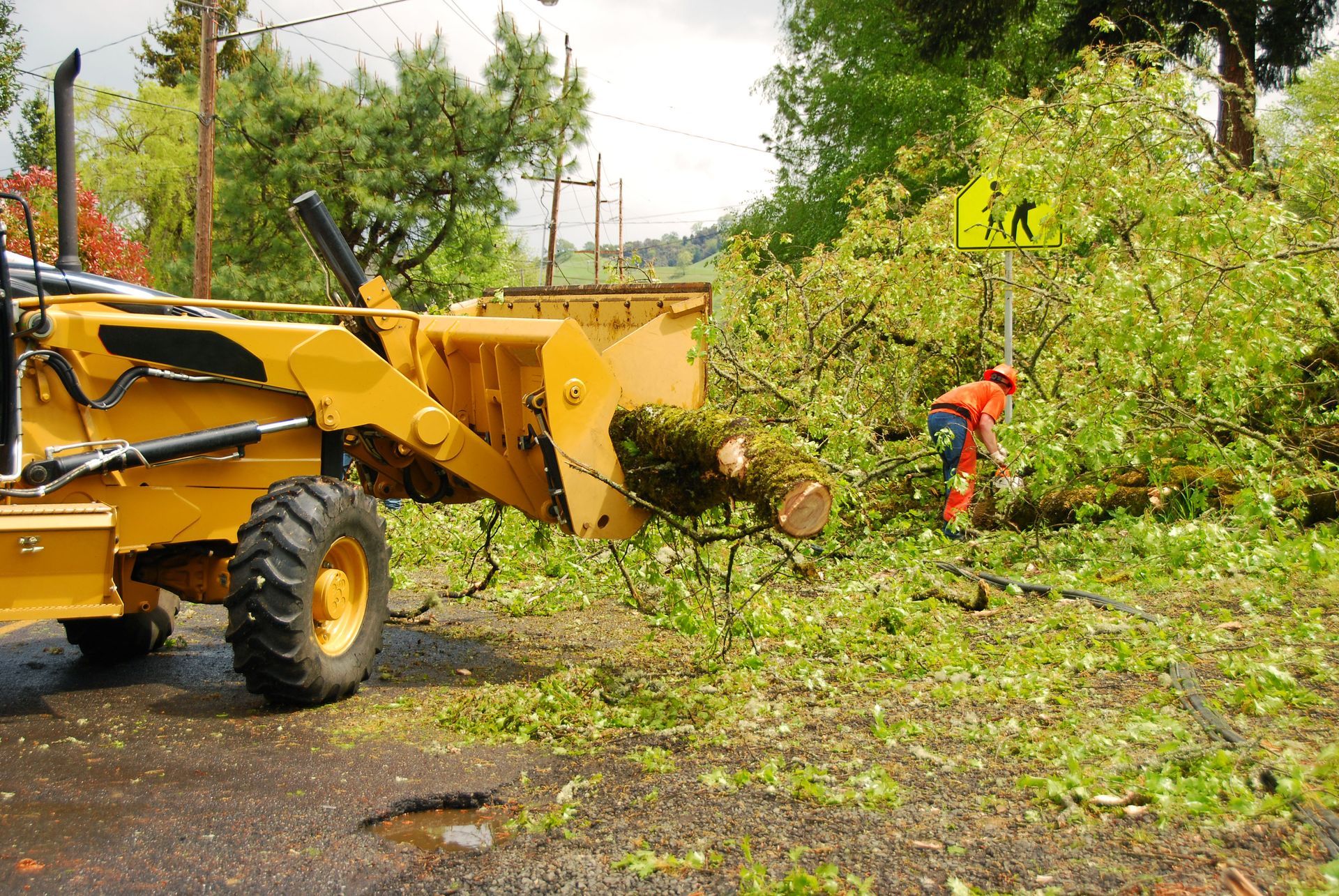
Regulatory agencies monitor occupational dangers related to this specific type of labor. According to the Occupational Safety and Health Administration, three common hazards associated with tree care are faulty safety equipment, power lines, and falling branches. This statement underscores the severe reality facing anyone operating a saw. If trained professionals face such stark realities, amateurs stand at an extreme disadvantage. Ignorance of these documented occupational hazards invites severe injury.
Mitigation of gravitational threats requires specialized rigging and controlled descent mechanisms. Amateurs rely on ropes and luck. Professional arborists secure every segment before completing a cut. They control the descent, guiding substantial weight to the ground. Hiring a tree removal company ensures the deployment of these essential rigging techniques, shielding bystanders and operators from rogue falling debris.
2. Examining the Peril of Specialized Tools
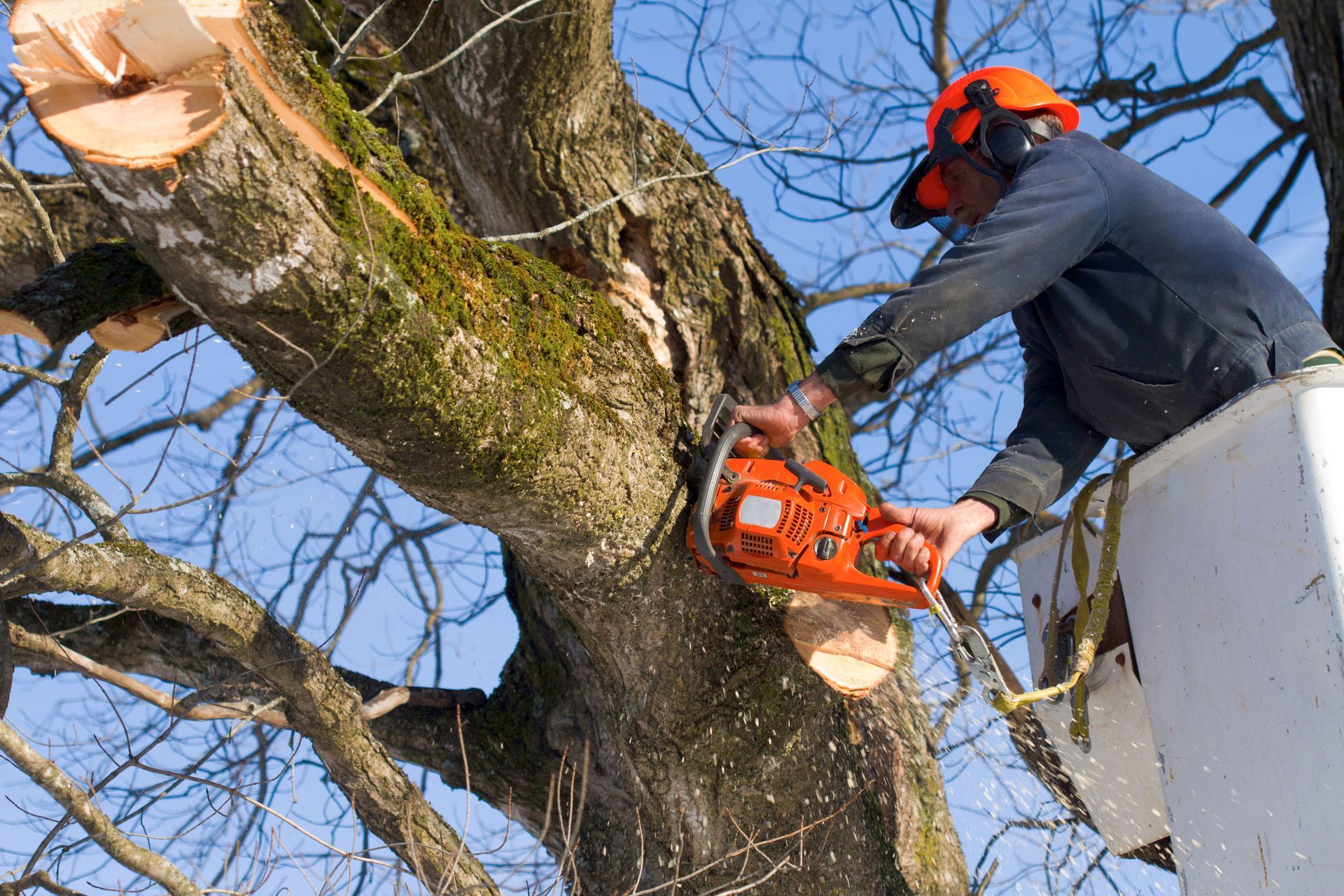
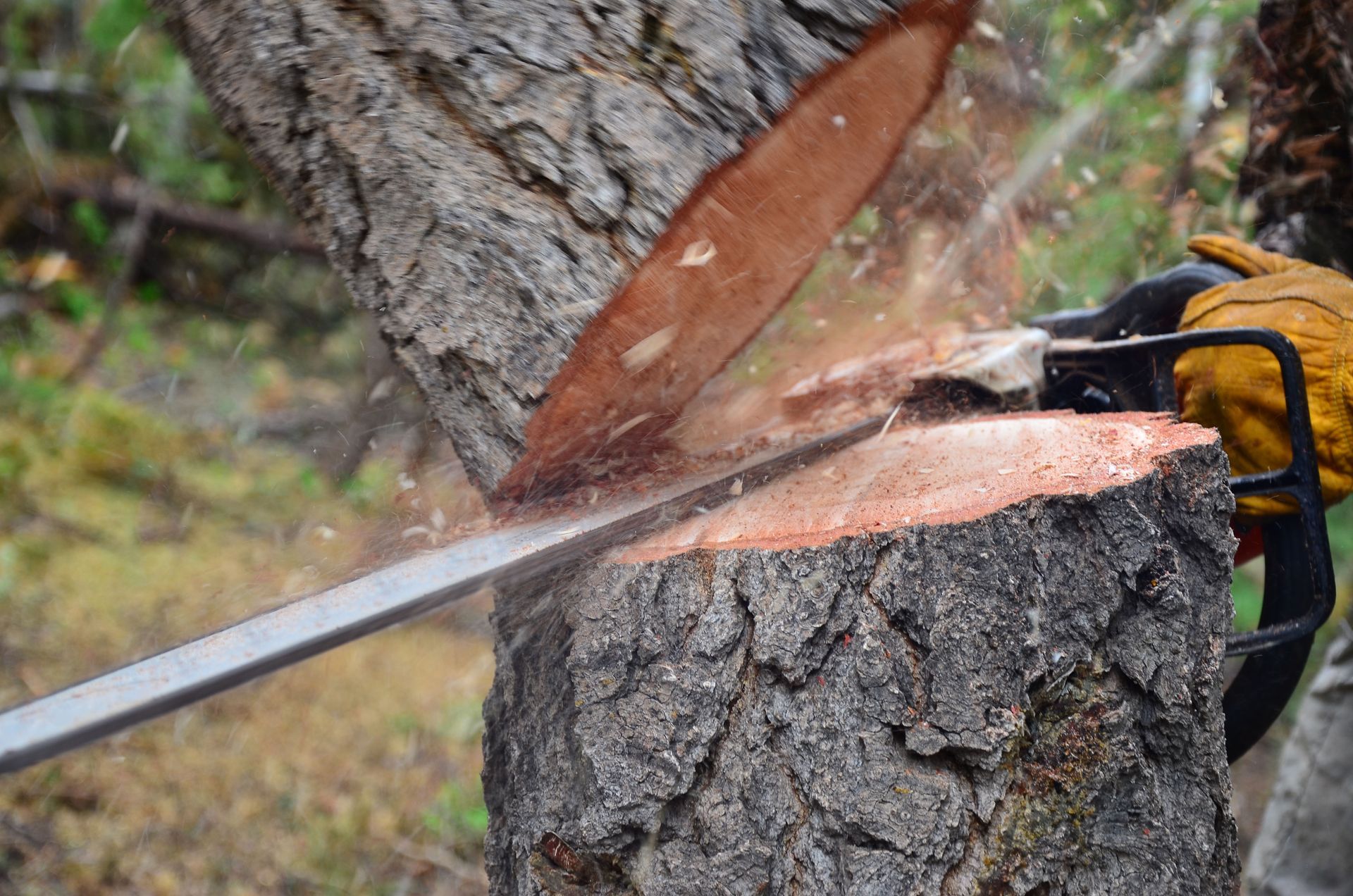
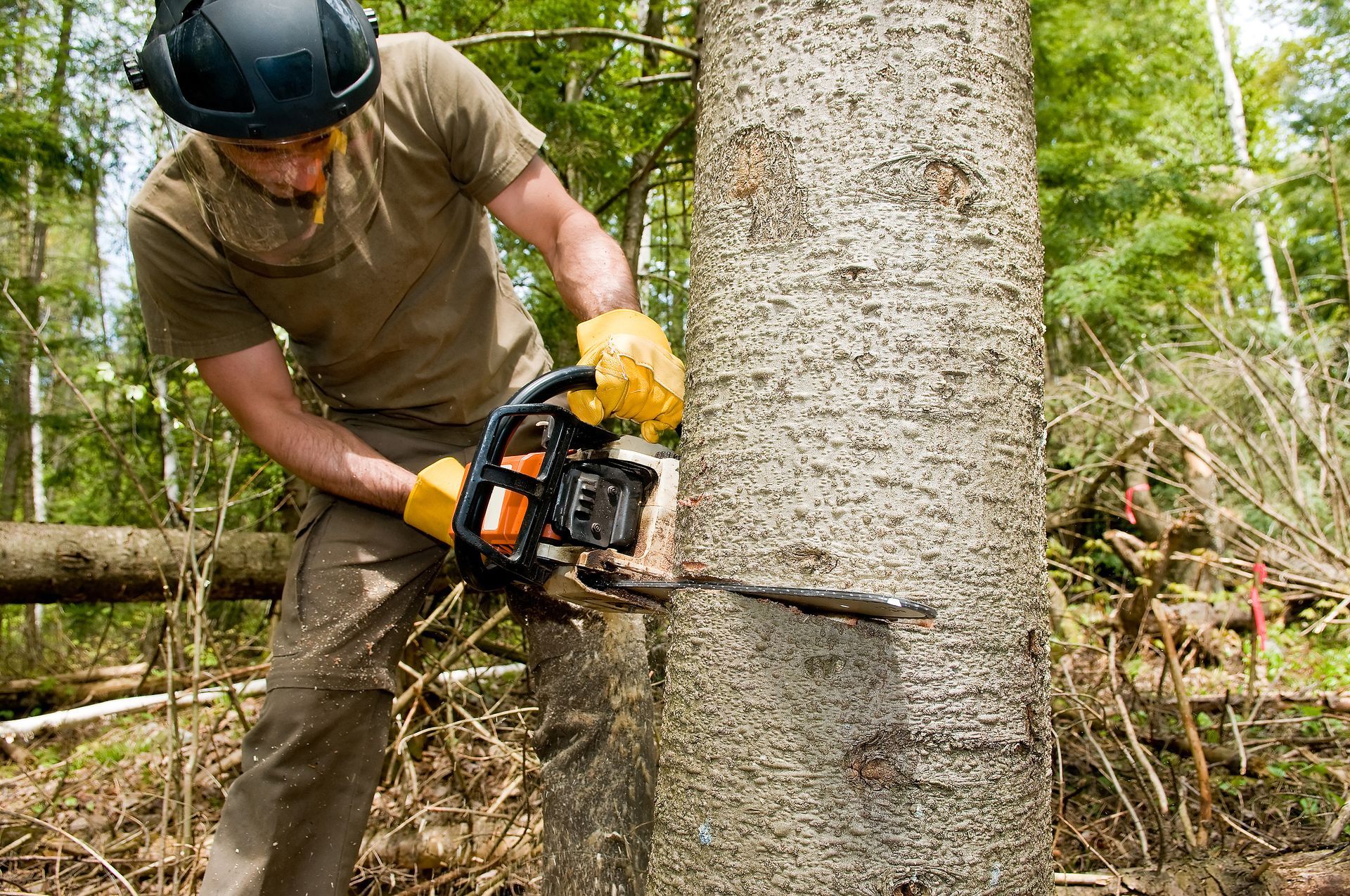
Chainsaws cut through dense organic matter with efficiency. In inexperienced hands, the cutting bar becomes a lethal weapon. Kickback occurs when the tip of the blade strikes a hard object. The force throws the running chain back toward the operator. Surviving such an event requires immediate reflex actions that amateurs don't possess.
Amateurs lack the muscle memory required to control a bucking saw. Fatigue sets in after minor exertion. Tired arms fail to maintain equipment stability. A momentary lapse in grip strength leads to severe lacerations or worse. Proper handling requires extensive practice and dedicated supervision. Pushing through such physical exhaustion leads to devastating mechanical accidents.
The necessity of personal protective gear remains overlooked by weekend warriors. Standard garage safety glasses and work gloves offer no protection against a motorized chain. Standard retail safety equipment fails to meet the rigorous demands of arboreal extraction. Professionals wear cut-resistant chaps, face shields, and specialized helmets. These items deflect debris and jam the saw mechanism upon contact. The absence of such gear amplifies every possible mistake.
Renting heavy machinery like stump grinders or wood chippers introduces another layer of mechanical jeopardy. These machines consume material with terrifying speed. Snagged clothing can pull an operator into the grinding mechanism. A reputable tree removal company arrives equipped with maintained machinery and operators trained in exhaustive safety protocols, preventing horrific accidents before they occur.
3. Assessing the Threat of Environmental Proximity
Suburban landscapes present a labyrinth of obstacles for timber extraction. Homes, fences, and vehicles sit within the drop zone. A miscalculated felling angle sends large trunks crashing through roofs. The financial ruin resulting from destroyed architecture eclipses any perceived savings from a do-it-yourself approach. Insurance policies may deny claims stemming from amateur negligence.
Underground elements complicate the process. Root systems entangle with water pipes and gas lines. Extracting a stump can rupture these vital conduits. A broken water main floods the immediate residential area. A severed gas line creates an explosive atmosphere, endangering the entire neighborhood. Identifying underground utilities demands careful surveying before any excavation or grinding begins.
Overhead utilities pose an invisible and lethal risk. Branches weave through high-voltage cables. Moisture inside the wood acts as a conductor for electricity. Touching a conductive branch sends a fatal current through the operator to the earth. Amateurs lack the insulated tools required to navigate this electrifying maze.
The proximity of these environmental elements necessitates precision. A skilled crew evaluates every angle and potential point of failure. They dismantle the canopy in small, manageable sections to avoid utility strikes. Utilizing a tree removal company shifts the liability and the operational burden away from the property owner, safeguarding the surrounding community.
4. Evaluating the Danger of Unseen Conditions
Nature conceals many threats beneath a canopy of leaves. Stinging insects build nests within the branches. Vibrations from a running engine agitate these colonies. Swarms of hornets attack the operator, causing panic. A panicked individual holding a motorized saw creates an environment ripe for tragedy.
Pathogens and fungi weaken the internal integrity of the wood. A tree appearing sturdy may hold a core of mush. When an amateur relies on solid wood to act as a hinge during felling, the rotten core fails. The canopy twists and falls in reverse. This specific phenomenon splits the trunk lengthwise with explosive force.
Weather introduces fluctuating variables into the equation. Gusts of wind alter the descent of a falling trunk. Rain makes bark slippery and unstable for climbing. Amateurs fail to recognize how atmospheric conditions dictate operational viability. They push forward with their plans despite the changing climate. Professional operators suspend operations when meteorological factors compromise site safety.
True expertise involves reading the environmental and biological signs. Arborists assess soil saturation, wind speed, and internal decay before starting an engine. This comprehensive site evaluation prevents catastrophic surprises. Relying on a tree removal company guarantees this level of detailed analysis, protecting everyone involved from the invisible threats hidden within the landscape.
Eliminating timber from a residential property demands more than basic tools and raw ambition. The magnitude of the physical forces involved requires specialized knowledge. Unpredictable gravity, lethal machinery, fragile surroundings, and hidden biological threats combine to form a perfect storm of peril. The risks taken by an amateur extend to property, neighbors, and the individual operator. Contracting a tree removal company remains the most sensible method for addressing complex arboreal issues.
Acknowledge the limits of amateur enthusiasm. Preserving life and property must supersede the desire for self-reliance. The potential for catastrophic injury negates any temporary financial advantage gained through independent labor. Leave the chainsaws and rigging to the seasoned professionals. Protect the home and secure peace of mind by respecting the formidable power of nature. Instead of risking your safety with a chainsaw, let us at Joe's Tree Service, LLC handle the hazards for you. As a dedicated
tree removal company, we possess the specialized gear and rigorous training required to secure your property safely.
Share On: